
Prepare the evidence before a bond claim becomes urgent
Victoria’s October changes put evidence earlier in the bond-claim process. A practical file review starts with the condition report and follows each proposed claim through to its cost.
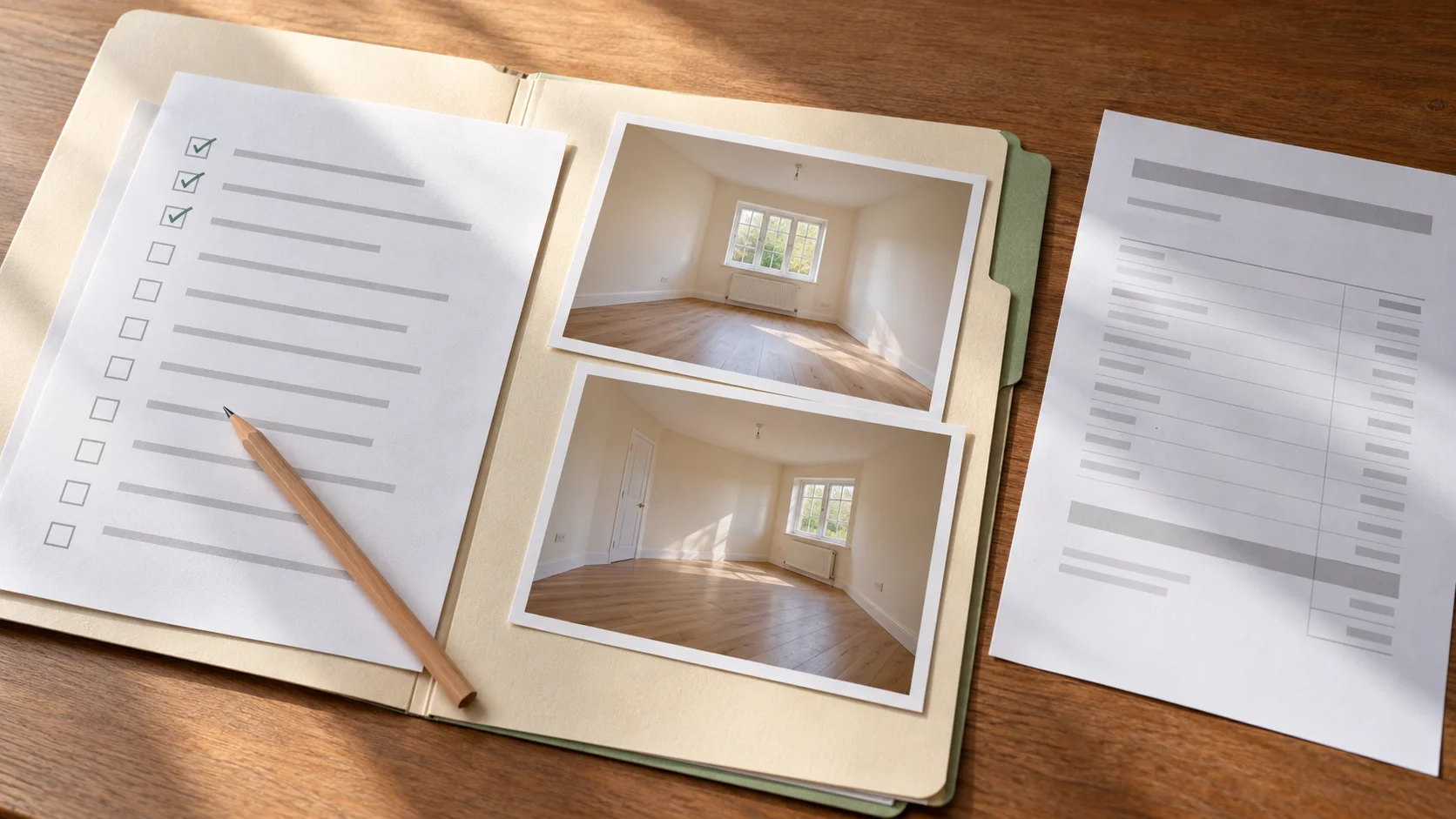
A bond file should be understandable before a property manager needs to explain it under deadline. Someone reviewing a proposed deduction should be able to identify what changed, why the renter is considered responsible and how the amount was calculated.
Victoria’s forthcoming changes make that preparation more important. Consumer Affairs Victoria lists 13 October 2026 as the commencement date for strengthened bond claims, including advance notification to renters and supporting evidence. (Consumer Affairs Victoria’s reform summary; see sources below.)
The useful preparation now is a review of how evidence is collected throughout a tenancy.
Make the starting condition easy to establish
At move-in, check that the file contains the completed condition report, the renter’s returned comments and clearly labelled photographs. CAV recommends dating and labelling photographs and attaching them to the condition report. (CAV’s condition-report guidance; see sources below.)
Use descriptions that another person can understand. “Small chip on the kitchen benchtop beside the sink” gives a later reviewer a location to compare. “Kitchen good” leaves more room for disagreement.
Keep the original record intact. If a renter disputes an observation or supplies another photograph, preserve that response alongside the agency’s record. An unexplained gap between two versions will be harder to resolve once the property manager who prepared them has moved on.
Keep the history connected during the tenancy
An entry photograph and an exit photograph may leave out a significant event in between. A repair, a reported leak or an approved alteration can change how an apparent difference should be assessed.
Link relevant inspection observations to the maintenance correspondence and completion records. Where work replaces an item, record what was replaced and when. Make the relationship clear enough that a colleague can follow it without searching through an inbox.
CAV also lists new minimum-standards record-keeping requirements from 13 October. The obligation to meet minimum standards before advertising is already in place; this October change concerns retaining compliance records. While reviewing the property’s file, identify the records needed to demonstrate compliance for the relevant standard. (CAV’s upcoming changes; see sources below.)
Review each proposed claim at vacate
Compare the exit observations with the starting condition and relevant history before settling on a claim. CAV states that bond cannot be claimed for fair wear and tear or damage that was the rental provider’s responsibility to repair. (CAV’s bond guidance; see sources below.)
For each proposed item, put the comparison, explanation and amount together. A short claim schedule can record:
- The specific issue and its location
- The relevant entry and exit records
- Any intervening repair or correspondence
- The amount proposed and its supporting quote or invoice
- Questions still needing an answer before the item is pursued
Ask the contractor to describe the work clearly enough to connect the cost with the particular issue. A total for several unrelated jobs makes that connection harder to assess. Where the scope includes an improvement or work beyond the identified issue, separate it for review rather than treating the whole invoice as the proposed deduction.
Build time for evidence to reach the renter
The legislation distinguishes the repayment claim from a tribunal application. For a section 411 claim seeking repayment to the rental provider, supporting bond-claim evidence must reach each renter at least three days before the claim. For a section 419A application seeking an order for repayment to the rental provider, supporting evidence must accompany the application. In both cases, that evidence must not conflict with a statement in a condition report. (Consumer Legislation Amendment Act 2025, sections 10–11; see sources below.)
That distinction belongs in the agency’s procedure. Check the applicable route, timing and service requirements for the particular matter. Keep a record of what was supplied and when, and give the renter’s response proper consideration.
Test one file before the deadline
Choose an upcoming vacate and ask a second team member to review the file. Can they locate the relevant condition records, understand each proposed amount and identify anything that still needs clarification?
Give those gaps an owner and a completion date. Then use what the review reveals to improve the move-in, inspection and vacate checklists.
Evidence preparation helps the agency assess whether a claim is justified and explain it clearly. Starting earlier gives the team time to resolve uncertainty before lodgement becomes urgent.
General operational information for Victorian residential property management, checked on 9 October 2026. Confirm current official requirements and obtain advice for a particular dispute.
Sources
- New changes to the rental laws
- Consumer Legislation Amendment Act 2025, sections 10–11
- Condition reports
- Bond claims and refunds
- Minimum standards for rental properties
Sources checked 2026-10-08.